Introduction
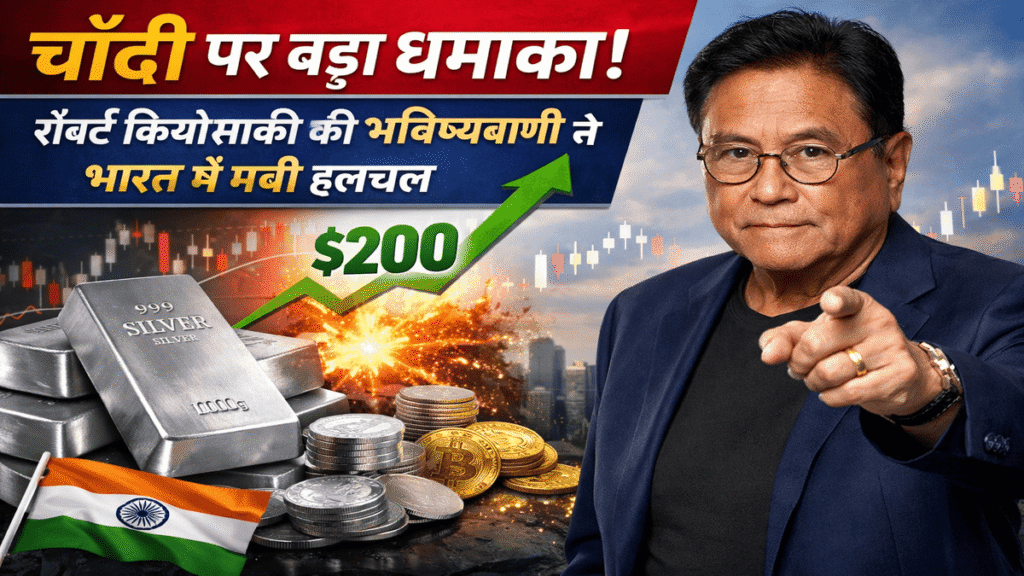
Silver has always held a special place in India’s economic, cultural, and investment landscape. From traditional jewellery and religious artifacts to modern industrial applications and financial instruments, silver’s relevance spans centuries. January 2026 has emerged as a historic period for silver prices in India, with rates surging past ₹3,00,000 per kilogram in many major cities—levels never seen before in domestic markets.
This blog presents a comprehensive, city-wise silver price news and analysis, explaining why prices are rising, how rates differ across Indian cities, what factors are driving volatility, and what investors, jewellers, and consumers should expect next. Whether you are an investor tracking MCX movements, a jeweller managing inventory, or a consumer planning a purchase, this in-depth guide will help you make informed decisions.
Why Silver Prices Are Making Headlines in 2026
Silver’s sharp rally in early 2026 has grabbed attention across financial media and bullion markets. Several developments converged at once:
- Global economic uncertainty boosting safe-haven demand
- Industrial demand surge, especially from renewable energy and electronics
- Rupee volatility, making imported silver costlier
- Speculative buying and strong momentum on MCX futures
According to market reports, silver has risen nearly 30% within weeks, outperforming many other asset classes.
Understanding Silver Pricing in India
Before diving into city-wise rates, it’s important to understand how silver prices are determined:
1. International Spot Prices
Indian silver prices track global spot prices, largely driven by:
- COMEX and London Bullion Market rates
- US Federal Reserve interest rate signals
- Dollar strength or weakness
2. Exchange Rates (USD/INR)
Since India imports most of its silver, a weaker rupee directly raises domestic prices.
3. MCX Futures Market
The Multi Commodity Exchange (MCX) reflects:
- Investor sentiment
- Hedging activity
- Short-term speculation
4. Local Factors
- State-level taxes
- Transportation and logistics costs
- Local demand from jewellers and industries
City-Wise Silver Prices in India (January 2026)
Note: Prices mentioned are approximate spot market rates for 1 kilogram of silver and may vary slightly by dealer and time of day.
North India
Delhi
Silver prices in Delhi crossed ₹3,00,000 per kg, driven by strong investor demand and wholesale bullion trading activity. The capital often mirrors MCX benchmark rates closely.
Jaipur
Jaipur, a major jewellery hub, is seeing slightly higher prices due to fabrication demand and local premiums, hovering around ₹3.12–3.15 lakh per kg.
Chandigarh
Prices remain close to Delhi levels, with marginal differences due to logistics and retail margins.
West India
Mumbai
As India’s financial capital, Mumbai reflects near-benchmark silver prices. Rates are around ₹3.05 lakh per kg, with strong participation from traders and investors.
Ahmedabad
Ahmedabad has witnessed one of the fastest silver price rallies, with local reports indicating silver touching ₹3.02–3.08 lakh per kg, up nearly 30% in less than a month.
Pune
Silver prices in Pune closely follow Mumbai, with minor variations due to local demand.
South India
Chennai
Chennai traditionally reports higher silver prices compared to other metros, mainly due to strong industrial usage and jewellery demand. Rates are approximately ₹3.18 lakh per kg, the highest among major Indian cities.
Bengaluru
Prices in Bengaluru are around ₹3.05 lakh per kg, supported by electronics and technology sector demand.
Hyderabad
Hyderabad mirrors Chennai trends, with silver trading near ₹3.17–3.18 lakh per kg, driven by jewellery manufacturing clusters.
East India
Kolkata
Silver prices in Kolkata are aligned with national averages at around ₹3.05 lakh per kg, with steady demand from traditional silverware artisans.
Bhubaneswar
Prices are marginally lower than metro cities but rising fast due to increasing retail investment interest.
Why Do Silver Prices Differ City-Wise?
City-wise variation occurs due to:
- Transportation costs from ports or bullion hubs
- Local taxes and levies
- Demand-supply dynamics
- Wholesale vs retail market depth
For example, Chennai and Hyderabad often quote higher prices due to industrial and jewellery demand, while Delhi and Mumbai stay closer to benchmark MCX rates.
Silver vs Gold: The 2026 Comparison
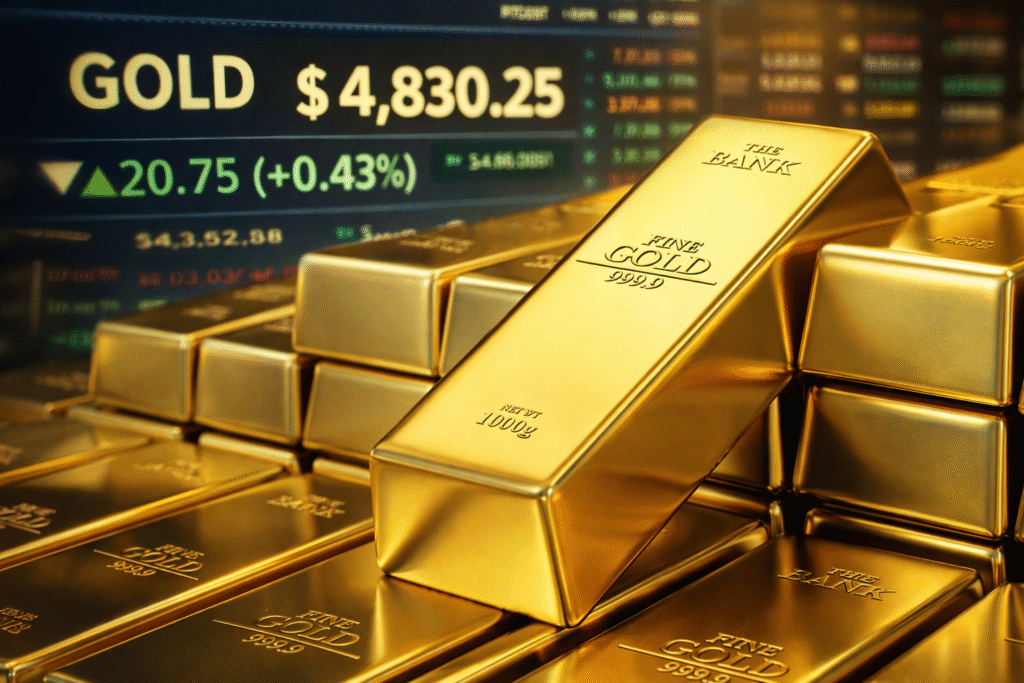
While gold continues to hit lifetime highs, silver has outperformed gold in percentage terms in early 2026. Investors are increasingly viewing silver as:
- A cheaper alternative to gold
- A high-beta hedge during economic uncertainty
- A dual-purpose metal (investment + industrial use)
Industrial Demand: A Key Driver
Silver is critical in:
- Solar panels
- Electric vehicles
- Electronics and semiconductors
- Medical equipment
India’s push toward renewable energy and EV adoption has significantly boosted silver consumption, tightening supply and supporting higher prices.
Investor Sentiment and Market Psychology
Retail investors, influenced by:
- Rising gold prices
- Media reports of record silver highs
- MCX momentum
are increasingly allocating funds to silver ETFs, physical bullion, and futures contracts.
Should You Buy Silver at These Levels?
For Long-Term Investors
Silver still holds strong long-term fundamentals due to:
- Industrial growth
- Limited global supply
- Inflation hedging
For Short-Term Traders
Volatility is high. Prices may see corrections, but trend remains bullish.
For Jewellery Buyers
If purchasing for immediate need, price levels are acceptable. For bulk buying, waiting for small dips may be prudent.
Future Outlook: What Lies Ahead for Silver Prices
Market experts suggest:
- Short-term volatility likely
- Medium-to-long-term outlook remains bullish
- Any global economic shock could push silver further upward
If global uncertainty persists, silver could remain above ₹3 lakh per kg for an extended period.
Conclusion
The city-wise silver price surge in January 2026 marks a historic phase for India’s bullion market. With prices crossing psychological milestones across Delhi, Mumbai, Chennai, Ahmedabad, and other cities, silver has firmly established itself as both a safe-haven asset and an industrial powerhouse.
Whether you are tracking daily rates, planning an investment, or analyzing long-term trends, staying updated on city-specific silver prices is more important than ever.